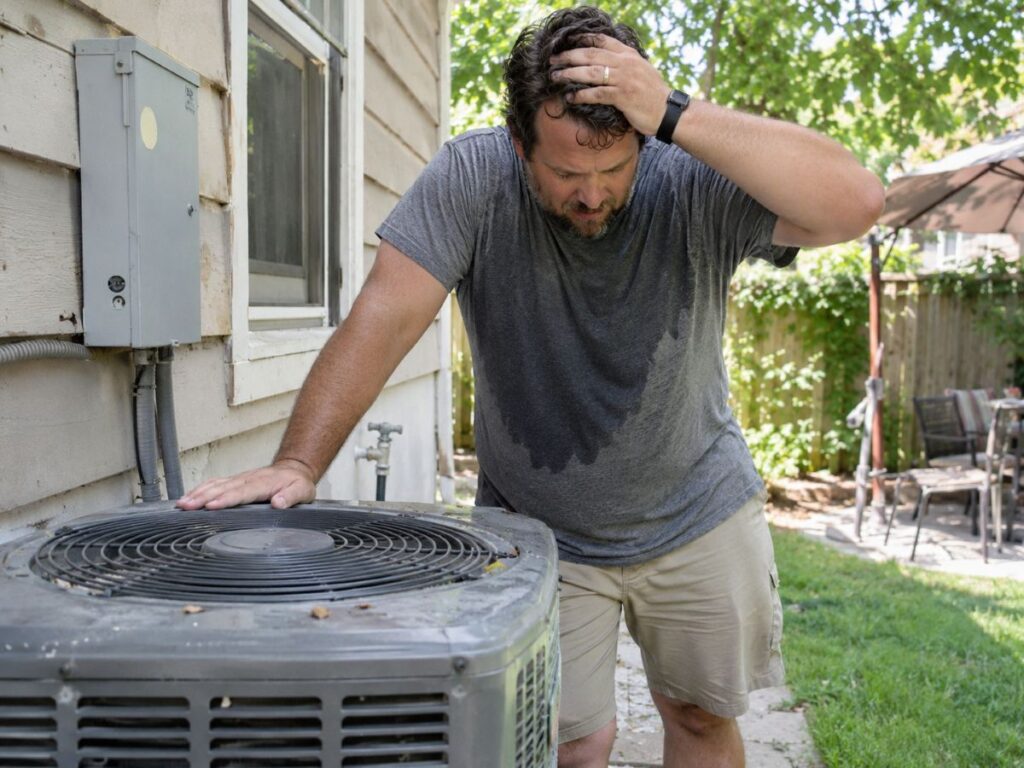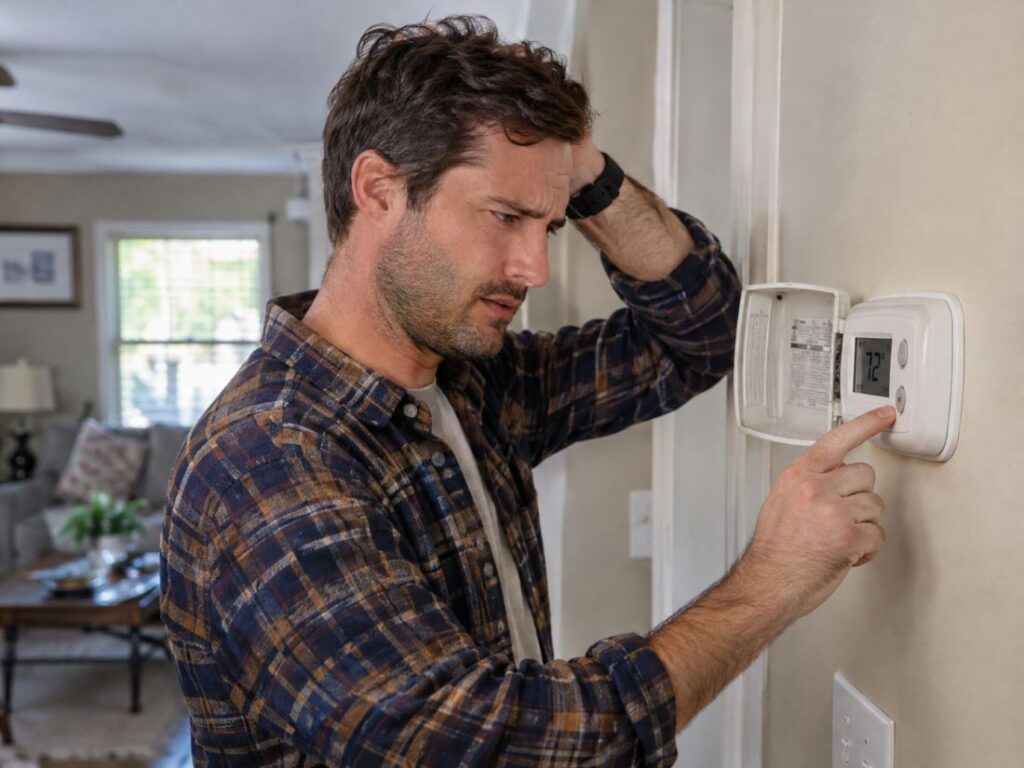
For a business, an HVAC failure is never just a comfort problem. It can close a dining room, spoil inventory, drive customers away, or leave employees working in a hot or cold building. Most of those failures are preventable with a consistent maintenance routine, and a clear checklist makes it easier to know what to inspect, how often, and who should do it. This commercial HVAC maintenance checklist breaks the work into monthly, quarterly, and seasonal tasks, covers rooftop units, and explains what affects maintenance cost for DFW building owners and facility managers.
| Quick Take Plan on filter and visual checks monthly, deeper inspections quarterly, and full service in spring and fall. Rooftop units need extra attention to coils, drains, belts, and access panels. Keep written service records to track problems, support warranties, and plan replacements. |
Why Preventive Maintenance Matters for Commercial Buildings
Commercial systems run long hours, often under heavy load, and they serve spaces where comfort affects revenue. In the DFW area, cooling equipment works hard from late spring through early fall, and a failure during a heat wave can shut down operations. Preventive maintenance finds small issues such as worn belts, dirty coils, and loose electrical connections before they cause downtime.
A regular routine also keeps energy use in check, extends equipment life, and helps meet warranty requirements, since many manufacturers expect documented maintenance. For buildings with tenants, consistent service reduces complaint calls and protects your relationship with them.
Monthly and Quarterly Maintenance Tasks
These tasks can be split between in-house staff and a service contractor, depending on your team’s experience. Anything involving refrigerant, gas, or electrical components should be handled by a licensed professional.
| Task | Frequency | Why It Matters |
|---|---|---|
| Inspect and replace air filters | Monthly | Dirty filters reduce airflow and raise energy use |
| Check thermostats and controls | Monthly | Confirms schedules and setpoints match building use |
| Look for unusual noises, vibration, or odors | Monthly | Early warning of bearing, belt, or motor problems |
| Inspect condensate drains and pans | Quarterly | Prevents clogs, leaks, and water damage |
| Clean coils and check for debris | Quarterly | Dirty coils cut efficiency and strain the compressor |
| Check belts, pulleys, and fan blades | Quarterly | Worn parts cause airflow loss and sudden failures |
| Verify economizer and damper operation | Quarterly | Ensures proper ventilation and free cooling |
Seasonal Tune-Up Checklist: Cooling and Heating
Seasonal service is where a technician goes deeper than a routine visual check. It makes sense to schedule one visit before cooling season and another before heating season.
- Spring cooling service: Check refrigerant charge and pressures, clean condenser and evaporator coils, test the compressor and fan motors, inspect electrical connections, and confirm the system reaches the target supply temperature. Professional commercial cooling service covers these items before summer demand arrives.
- Fall heating service: Inspect burners, ignition components, heat exchangers, flue pipes, and safety controls, and test the sequence of operation. Professional commercial heating service helps catch problems before the first cold snap.
- Both seasons: Lubricate moving parts, tighten connections, test thermostats and building automation settings, and review the runtime history for odd patterns.
Rooftop Unit Maintenance Tips
Many small and mid-size commercial buildings in North Texas use packaged rooftop units. They sit in the sun, take weather exposure, and are easy to forget because they are out of sight.
- Panels and cabinet: Check that access panels are secure and gaskets are intact so water and pests stay out.
- Roof curb and drainage: Look for pooled water, rust, and damaged seals around the unit.
- Coils and drain pans: Remove leaves and debris, clean the coils, and make sure the condensate drain flows freely.
- Belts and blowers: Check belt tension and condition, and inspect the blower wheel for dirt buildup.
- Safe access: Make sure the roof hatch, ladder, and walkway are safe for technicians, because poor access often leads to skipped maintenance.
What Affects Commercial HVAC Maintenance Cost?
Commercial maintenance pricing varies widely because buildings and equipment vary widely. The main factors are the number and size of units, equipment age and condition, how many visits per year you need, and how easy the units are to reach. Specialized equipment such as walk-in coolers or refrigeration systems may be priced separately, and our post on commercial walk-in cooler repair covers one common example.
When you compare proposals, ask for a written scope that lists every task, the visit frequency, response times, and what is excluded. A lower price that skips coil cleaning or refrigerant checks is not the same service. A planned commercial HVAC maintenance agreement usually makes costs more predictable than paying only for emergency repairs.
In-House Staff vs a Professional Technician
Facilities staff can handle many routine tasks, including filter changes, visual inspections, clearing debris, and keeping a log of issues. Licensed technicians should handle refrigerant, gas lines, combustion testing, and electrical work, both for safety and for legal reasons. A good routine uses both: your team provides frequent eyes on the equipment, and the contractor provides specialized checks and documentation.
Frequently Asked Questions
How often should commercial HVAC be serviced?
At minimum, twice a year: once before cooling season and once before heating season. Buildings with heavy use, such as restaurants, medical offices, or server rooms, may need more frequent visits.
What is included in commercial HVAC preventive maintenance?
A typical visit includes filter checks, coil cleaning, drain inspection, belt and motor checks, electrical connection testing, refrigerant checks, and a review of controls. The exact scope should be listed in your service agreement.
How much does commercial HVAC maintenance cost?
It depends on the number and type of units, their age and access, and the visit schedule. Ask each contractor for a written scope so you can compare proposals on the same terms.
Can my maintenance staff do commercial HVAC maintenance?
They can handle filters, visual inspections, and basic cleaning. Refrigerant, gas, and electrical work should be done by licensed professionals.
What records should I keep for HVAC maintenance?
Keep dated service reports, filter change logs, repair invoices, and warranty documents. These records help track recurring problems, support warranty claims, and plan equipment replacement.
| Ready to Get Started? Let Norco Air build a maintenance plan that keeps your building comfortable and your equipment running. Contact Us |